Guided service model

Pilot Pen service programs for simpler writing supply decisions

Pilot Pen supports business buyers who need a practical bridge between catalog choice and repeatable purchase control. The service approach is not built around broad claims; it is built around precise questions: which teams write all day, which groups need erasable tools, which stores need fountain pen assortments, which departments reorder refills, and which locations need predictable school or office packs.

That guidance matters because writing instruments are small items with a high failure cost when the wrong product is standardized. A pen that smears on forms, a refill that cannot be matched, or a classroom kit that mixes incompatible models can create low-level friction every day. The service program keeps item selection, sample feedback, pack planning, and reorder notes connected.

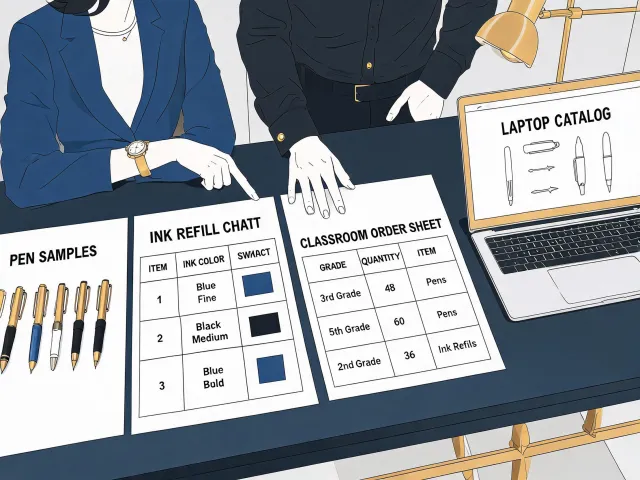
Procurement team reviewing pen samples and order sheets

Two-column service cards

Support that keeps tiny items from becoming a messy spend category

01

Assortment mapping

We group writing instruments by work pattern instead of asking buyers to compare hundreds of isolated product names. Administrative writing, technical notes, front desk signatures, student use, executive gifting, and creative work each receive a focused shortlist.

02

Sample planning

For larger teams, the selection process can include sample sets organized by ink type, line width, grip style, refill availability, and use case. Feedback is captured in buying language so a purchasing manager can make a decision without translating personal preferences into item codes.

03

Refill continuity

Refill programs are documented alongside the selected pens. That reduces the common problem of buying a durable writing instrument once and then losing its economic value because the correct cartridge or refill is hard to identify later.

04

Multi-location quoting

When offices, classrooms, and satellite locations need similar writing tools in different quantities, the service desk can arrange quote notes by location, estimated usage, and pack format so approvals remain easy to audit.

Embedded FAQ

Questions buyers usually ask before standardizing pens

Start with the job the pen must perform, then map line width, ink behavior, grip shape, and refill logic. This keeps the approved list short while still protecting different writing needs.

Some core gel and ballpoint lines can overlap, but classroom packs usually need different quantity logic, labeling, and durability expectations than office desk supply.

Share destination countries, estimated annual quantity, preferred ink colors, pack size expectations, refill needs, and whether the program is for office supply, classroom use, retail display, or gifting.

Before and after

From scattered stationery buying to a usable writing standard

Before

Teams reorder from memory, substitute unavailable pens, mix disposable and refillable models, and approve small purchases that are hard to consolidate. A buyer may see dozens of similar item descriptions without knowing which line should be protected as the standard.

After

The organization keeps a concise set of approved writing tools, grouped by work pattern and refill plan. Quotes include product intent, pack logic, and reorder notes, making it easier to maintain consistency across locations and budget cycles.

Start with a clean brief

Tell us where the pens go, and we will shape the shortlist.

Use the form to describe departments, quantities, writing preferences, and refill requirements. A concise brief helps the response focus on item clarity rather than a generic catalog dump.

By submitting this request, you agree to the Privacy Policy.